How to Choose Alpharetta top Roofing Company for Reliable Roof Repairs
How to Choose Alpharetta top Roofing Company for Reliable Roof Repairs
Blog Article
Reliable Roofing Company: Superior Roofing Solutions You Can Trust
A trustworthy roofing company plays an vital role in maintaining the integrity of a home. Quality roofing services guarantee longevity and protection against weather elements. Homeowners often ignore the importance of choosing the right professional. However, grasping the important qualities and offerings offered can make a considerable difference. What should one think about when choosing a roof partner? The answers may uncover more than expected.
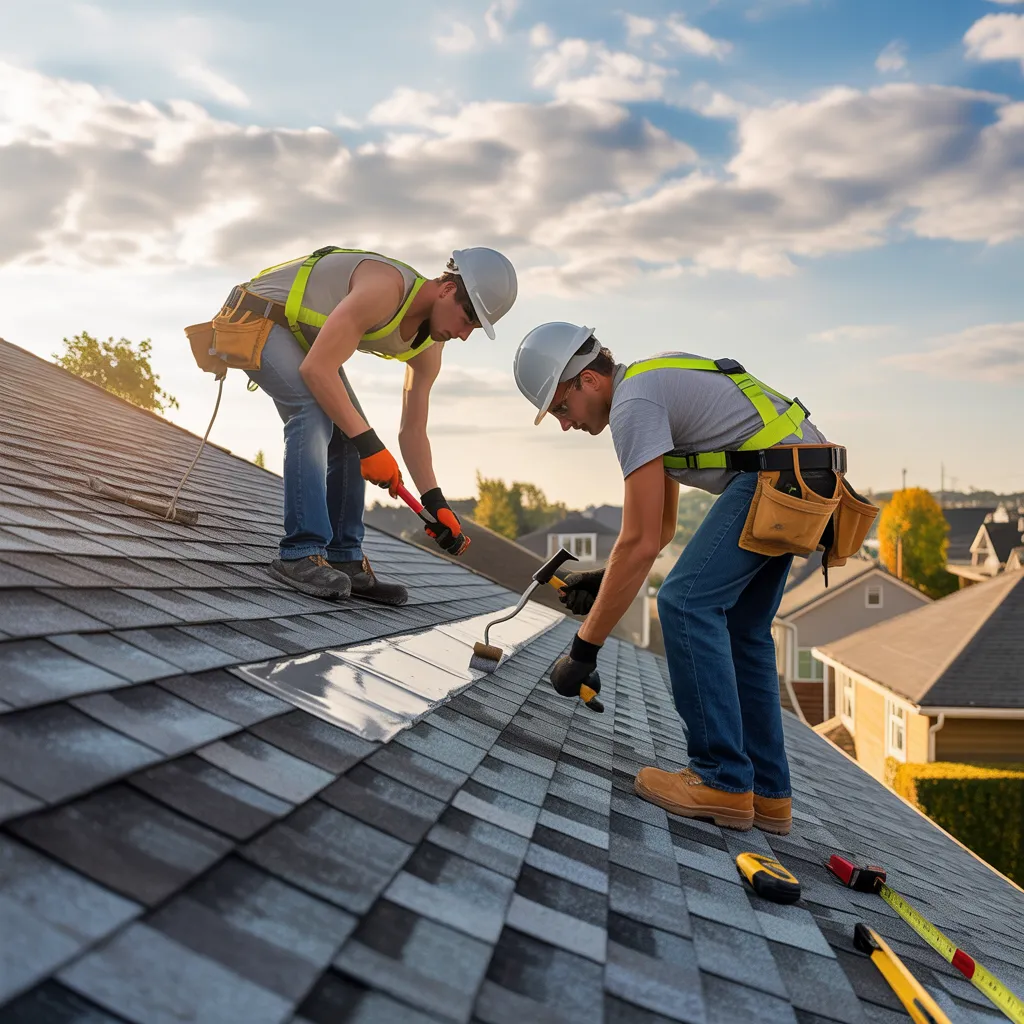
Why a Solid Roofing Firm Is Essential for Your Home
When homeowners reflect on related resource the importance of their roofs, they often disregard the vital role a reliable roofing company plays in protecting their assets. A trustworthy contractor ensures that roofing materials are applied correctly, adhering to industry standards and local building codes. This not only improves the roof's durability but also protects against water damage, mold growth, and structural issues.
Furthermore, a established roofing company offers warranties on both materials and workmanship, providing homeowners confidence. They also perform detailed inspections, spotting likely concerns early, which can shield homeowners from substantial costs down the line.
In a marketplace where quality can change substantially, opting for a reliable roofing company can constitute the difference between a long-lasting roof and recurring headaches. Ultimately, committing to a trustworthy contractor is a vital step in upholding the integrity and safety of a home.
Top Qualities to Seek in a Roofing Contractor
Selecting a roofing contractor involves careful consideration of key attributes that guarantee consistency and expert knowledge. First and foremost, a credible professional must possess proper licensing and insurance, ensuring compliance with local standards and protection against liability. Experience is another essential factor; established contractors often show a reliable record of successful projects and satisfied clients.
In addition, strong interpersonal skills are important, as they facilitate clear discussions about project expectations and timelines. The contractor should also submit detailed written proposals, enabling homeowners to understand costs upfront. Furthermore, a commitment to selecting high-quality components indicates a dedication to long-lasting output.
In conclusion, positive client feedback and word-of-mouth referrals represent indicators of the contractor's trustworthiness and professional standards. By emphasizing these essential qualities, homeowners can select carefully when picking a roofing contractor, ultimately guaranteeing a successful roofing project.
Essential Inquiries to Pose to Roofing Companies?
What essential inquiries should homeowners pose to roofing contractors to establish a productive relationship? First, they should ask about the company's licensing and insurance. This ensures that the contractor meets local requirements and is protected against potential liabilities. Next, homeowners should inquire about the guarantees provided on both materials and workmanship, as this demonstrates the company's commitment to excellence.
Additionally, it's important to request references from previous clients. This can give perspective on the company's reliability and quality of work. Homeowners should also discuss the project timeline for the project, confirming it meets their expectations.
Finally, inquiring about the materials used and their longevity can assist homeowners in making informed decisions. By tackling these essential inquiries, homeowners can create a transparent dialogue, ultimately leading to a reliable and efficient roofing relationship.
Assessing Roof Feedback
How can homeowners effectively assess roofing reviews to choose wisely? Analyzing reviews demands a systematic approach. First, they should consider the overall rating and the number of reviews. A strong score with numerous reviews often indicates reliability. Homeowners should search for detailed feedback about quality of work, project schedules, and support. Favorable feedback that outline the work completed offer greater understanding than vague compliments.
In the same way, unfavorable reviews should be scrutinized for patterns. If numerous customers mention similar issues, it may indicate a persistent problem. Homeowners should also check the reaction of the company to unfavorable comments, as this reflects their dedication to customer satisfaction.
In addition, employing reputable platforms that authenticate reviews can improve credibility. In the end, homeowners might request referrals from friends or family, pairing online reviews with personal experiences. By following these steps, homeowners can work through roofing reviews effectively and select a trustworthy contractor.
Residential Roof Choices
Residential roofing alternatives encompass a broad selection of materials and styles, each designed to address particular demands and choices. Popular options feature asphalt shingles, recognized for their affordability and ease of installation, and metal roofing, which delivers durability and energy efficiency. Tile roofs, often chosen for their visual charm, offer longevity and are resistant to harsh weather conditions. Additionally, slate roofing represents a premium option, renowned for its elegance and resilience. For eco-conscious homeowners, options like green roofs and solar shingles are increasingly popular, promoting sustainability. Each roofing material comes with its own set of advantages, allowing homeowners to select the best fit for their climate, budget, and architectural style. Ultimately, the right choice improves both functionality and curb appeal.
Commercial Roof Solutions
Commercial roofing services include a range of specialized solutions customized to satisfy the unique demands of commercial enterprises and industrial facilities. These services include the installation of various roofing systems such as TPO, EPDM, and PVC, each engineered to provide durability and energy efficiency. Flat roofing solutions are common in commercial settings, providing a practical approach for large building expanses. Additionally, commercial roofing may involve the application of coatings that enhance longevity and reflectivity, lowering energy costs. Regular maintenance programs are also vital, ensuring roofs remain in peak condition and prolong their lifespan. Recognizing the specific needs of different commercial structures allows roofing companies to provide effective solutions that guarantee safety and compliance with industry standards.
Professional Roof Repair Services
Plenty of roofing repair services are obtainable to address the diverse challenges that can develop over time. Homeowners regularly experience problems such as leaks, missing shingles, and damaged flashing, which need immediate attention. Typical repair services include patching leaks, replacing broken or missing shingles, and sealing areas prone to water intrusion. Furthermore, certain companies offer preventative maintenance, such as inspections and cleaning, to increase roof life and identify potential issues before they worsen. For larger-scale damage, full roof replacements may be necessary. Each solution is adapted to the specific needs of the roof's condition, making sure homeowners obtain effective and reliable service. By selecting the right repair solution, property owners can protect the integrity and longevity of their roofs.
The Benefits of Regular Roof Upkeep and Assessments
While many homeowners may fail to appreciate the importance of roof maintenance, routine assessments play an essential role in extending the longevity of a roof. Consistent checks can identify minor issues before they worsen into costly damage, ensuring the roof structurally sound. Moreover, consistent care enhances energy efficiency by eliminating leaks and drafts, ultimately lowering utility costs.
Also, a carefully maintained roof can raise property value, making it more desirable to potential buyers. Inspections often include cleaning gutters and removing debris, which averts water damage and mold growth. Homeowners who commit to regular maintenance also benefit from extended warranties on roofing materials, as manufacturers typically necessitate documented upkeep.
Basically, emphasizing roof maintenance not only secures the home but also supplies comfort. By sustaining a proactive approach, homeowners can take pleasure in a strong and reliable roof for years to come.
Frequently Asked Questions
What Timeframe is Required for a Typical Roofing Project to Complete?
A standard roofing project ordinarily takes between one to several days to conclude, determined by criteria including the size of the roof, the complexity of the blueprint, and meteorological conditions determining the work.
What Warranties Are Offered on Roofing Materials and Labor?
The majority of roof coverings include guarantees spanning 20 to 50 years, while labor warranties typically last 1 to 10 years. These warranties ensure coverage against flaws and workmanship issues, providing homeowners with peace of mind.
What financing plans are available for roof services?
A range of roofing businesses extend financing options, along with payment arrangements and credit solutions, to support customers manage costs. These options can vary, so it's advisable for clients to inquire into specific offerings and terms.
How Can I Figure Out if My Roof Requires Replacing?
Indicators that a roof requires replacement include absent shingles, water damage, substantial granule deterioration, visible sagging, and age exceeding 20-25 years. A expert evaluation can provide a definitive assessment of the roof's state.
What Protective Guidelines Do You Execute During Roofing Projects?
When undertaking roofing projects, the team puts into place protective protocols like safety harnesses, hard hats, and temporary structures. They conduct regular safety briefings and guarantee appropriate gear is applied, stressing employee protection while minimizing dangers connected to roofing tasks.
Report this page